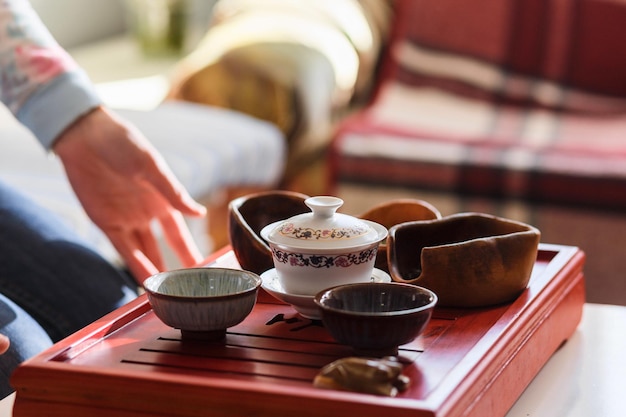
The Experiential Path
to Tea Understanding
Our methodology bridges centuries of tea tradition with contemporary learning. We guide discovery through experience rather than instruction, honoring both heritage and accessibility.
Return HomeFoundational Principles
Our approach rests on a simple recognition: tea culture survived across centuries and continents because it serves genuine human needs. The practices weren't arbitrary but developed organically to facilitate certain experiences and understandings. When teaching tea culture, we focus on helping people discover these underlying purposes rather than simply following inherited forms.
Experience Before Theory
Understanding develops through direct sensory engagement rather than abstract explanation. We provide frameworks for noticing rather than rules for memorizing. This creates authentic appreciation that emerges from personal discovery.
Cultural Context Matters
Traditional methods exist within specific philosophical and practical contexts. Understanding these contexts allows intelligent adaptation rather than rigid replication. We help people grasp the reasoning behind practices.
Personal Relevance
Tea culture offers many paths, and meaningful engagement requires finding ones that resonate personally. We guide exploration rather than prescribing specific approaches, helping each person discover what matters to them.
Gradual Development
Genuine appreciation and skill develop incrementally through consistent engagement. We structure learning to build naturally rather than forcing rapid progress. Sustainable practice emerges from patience with the process.
These principles inform everything we do. They emerged from observing what actually helps people develop lasting engagement with tea culture versus what creates temporary enthusiasm that fades. Our methodology prioritizes authenticity over novelty, depth over breadth, and personal discovery over prescribed knowledge.
The Porcelain & Leaf Method
Our framework guides participants through progressive stages of understanding. Each phase builds upon previous ones while remaining adaptable to individual pace and interest.
Sensory Foundation
Initial engagement focuses on developing basic sensory awareness. Participants learn to notice characteristics they previously overlooked: subtle aroma variations, texture differences, how flavor evolves across multiple infusions.
We introduce vocabulary for articulating these observations and provide frameworks for systematic comparison. This phase establishes the perceptual foundation for all subsequent learning.
Technical Competence
With sensory awareness developing, attention shifts to proper preparation technique. Participants learn traditional methods through demonstration and guided practice, understanding how each variable affects the result.
This phase emphasizes the relationship between technique and outcome. Confidence grows through repeated practice with feedback, creating technical capability that feels intuitive rather than mechanical.
Cultural Understanding
As technical skills solidify, we introduce historical and cultural context. Participants explore why specific traditions developed, how geography influenced tea culture, what philosophical principles informed different approaches.
This knowledge transforms technique from rule-following to informed practice. Understanding context allows appropriate adaptation while maintaining essential elements.
Personal Practice
The final phase focuses on establishing sustainable personal practice. Participants integrate tea into their actual lives rather than idealized conditions, discovering what works for their circumstances and temperament.
We provide guidance on adapting traditional methods appropriately, building routines that feel natural, and continuing exploration independently. This creates self-sustaining engagement beyond formal instruction.
Adaptive Framework
While these phases provide structure, individual progression varies considerably. Some move quickly through technical aspects but spend more time on cultural understanding. Others find sensory development requires extended attention. Our method adapts to these differences rather than enforcing uniform pacing. What matters is that each phase provides adequate foundation for the next.
Evidence-Based Approach
While rooted in tradition, our methodology incorporates contemporary understanding of how learning and skill development actually occur. Research in experiential education, sensory training, and habit formation informs our approach.
Sensory Education Principles
Studies in wine, coffee, and perfume education demonstrate that sensory discrimination develops through structured comparison and consistent vocabulary. We apply these findings to tea appreciation, using methods proven effective across similar domains. Participants engage in side-by-side comparisons with guided attention to specific characteristics.
Motor Skill Acquisition
Tea preparation involves precise motor skills that develop through deliberate practice with feedback. Research on skill acquisition shows that understanding the purpose behind movements accelerates learning. We explain why specific handling techniques matter before asking participants to practice them, creating more efficient skill development.
Habit Formation Research
Behavioral science indicates that sustainable habits develop through small, consistent actions rather than dramatic changes. We structure programs to build tea practice incrementally, anchoring new behaviors to existing routines. This approach creates lasting engagement rather than temporary enthusiasm.
Quality Standards
We source teas from established producers who maintain traditional cultivation and processing methods. Our partnerships ensure participants experience authentic examples of each tea category. Quality control involves systematic evaluation against recognized standards for each tea type, verified through independent assessment when appropriate.
Addressing Common Limitations
Many approaches to teaching tea culture encounter predictable challenges. Understanding these limitations helped us develop methods that create more sustainable outcomes.
Information Overload
Some programs attempt to teach everything at once: history, technique, varieties, culture. This overwhelms newcomers and prevents adequate depth in any area. Our phased approach allows proper foundation-building before introducing complexity.
Rigid Traditionalism
Strict adherence to traditional forms without understanding their purpose creates barriers rather than access. We teach the reasoning behind practices, enabling intelligent adaptation to contemporary circumstances while maintaining cultural integrity.
Theory Without Practice
Learning about tea through reading or lectures creates intellectual knowledge without practical capability. Our emphasis on hands-on experience ensures participants can actually prepare tea properly, not just discuss it theoretically.
Superficial Engagement
Brief workshops or single sessions provide exposure but rarely create lasting change. Our programs extend over sufficient time for actual skill development and habit formation, creating foundation for continued independent practice.
These limitations aren't failures of previous approaches but natural challenges when bridging traditional practices with contemporary learning contexts. Our methodology developed specifically to address these issues while honoring tea culture's essential character.
What Makes Our Approach Distinctive
Several elements distinguish our methodology from other approaches to tea education. These differences emerged from practical experience rather than theoretical design, representing what actually works to create lasting engagement.
Experiential Priority
We consistently prioritize direct experience over explanation. Participants taste before learning history, practice technique before studying theory. This sequence creates personal reference points that make subsequent information meaningful rather than abstract.
The approach mirrors how traditional tea knowledge was actually transmitted: through apprenticeship and observation rather than formal instruction. We've adapted these methods for contemporary educational contexts while maintaining their essential character.
Comparative Methodology
Understanding develops through systematic comparison rather than isolated experience. We structure tastings to highlight specific contrasts: how processing affects character, how terroir expresses itself, how preparation variables influence outcome.
This comparative approach accelerates learning considerably. Instead of encountering teas randomly, participants experience them in relationships that make distinctive characteristics evident. Pattern recognition develops naturally through these structured comparisons.
Integration Focus
From the beginning, we address how tea practice integrates with actual life circumstances. Rather than presenting idealized scenarios, we help participants find approaches that work within their real constraints and opportunities.
This practical emphasis prevents the common pattern where people learn techniques in workshops but never implement them at home. Sustainable practice requires realistic integration, not just technical knowledge.
Ongoing Development
Our methodology continues evolving through systematic feedback and observation. We track what helps participants progress versus what creates confusion or difficulty. This iterative refinement keeps our approach current while maintaining foundation in traditional wisdom.
The commitment to continuous improvement means participants benefit from accumulated experience across hundreds of previous students. Each cohort informs how we guide subsequent ones.
Tracking Progress Thoughtfully
We've developed frameworks for assessing progress that honor both measurable skills and subtler forms of development. This balanced approach helps participants recognize their own growth while maintaining realistic expectations.
Observable Skill Development
• Sensory discrimination: Ability to identify tea categories by taste, recognize oxidation levels, distinguish terroir characteristics
• Technical execution: Proper vessel handling, appropriate water temperature selection, suitable leaf-to-water ratios
• Preparation consistency: Reliable reproduction of desired results, adaptation to different tea types, troubleshooting issues
Qualitative Development
• Deepening appreciation: Growing understanding of quality factors, recognition of craftsmanship, value discernment
• Cultural connection: Meaningful engagement with tea's heritage, respectful adaptation of traditional forms
• Practice sustainability: Integration into regular routine, continued exploration beyond instruction period
Realistic Timeline Expectations
Basic sensory awareness typically develops within 4-6 weeks of regular engagement. Technical confidence follows within 6-8 weeks. Cultural understanding deepens gradually across months. Sustainable personal practice usually requires 3-4 months to feel truly established. These are general patterns; individual variation is normal and expected.
Methodology Refined Through Experience
The Porcelain & Leaf approach represents years of careful development informed by both traditional tea education methods and contemporary learning science. We've worked with hundreds of participants across diverse backgrounds, continuously refining our methodology based on what actually creates lasting engagement with tea culture.
What distinguishes our framework is the integration of experiential learning with systematic skill development. We don't present tea culture as either pure tradition requiring rigid adherence or as something to be casually modernized. Instead, we help people understand the reasoning behind traditional practices, enabling intelligent adaptation that maintains cultural integrity while serving contemporary needs.
Our commitment to evidence-based methods means we can articulate not just what we do but why it works. The progressive structure ensures adequate foundation at each stage. The emphasis on sensory development before technical instruction creates proper perceptual basis for skill acquisition. The integration of cultural context transforms technique from rule-following to informed practice.
Perhaps most importantly, our methodology recognizes that sustainable engagement emerges from personal discovery rather than prescribed knowledge. We provide frameworks and guidance, but participants develop their own authentic relationship with tea culture. This creates practices that persist because they're genuinely meaningful, not because someone insisted they should matter.
The approach continues evolving as we learn from each cohort of participants. This iterative refinement, grounded in both traditional wisdom and practical observation, ensures our methodology remains effective while honoring tea culture's essential character. We're not preserving museum pieces but helping people discover living traditions that enrich contemporary life.
Experience This Approach
Our methodology becomes clear through engagement rather than description. We invite you to explore whether this approach resonates with how you'd like to develop your relationship with tea culture.
Begin Your Journey